
Cruelty Free Skincare UK: What to Look For
Category Blog
Cruelty free skincare UK shoppers trust is no longer a niche interest tucked away in health shops and specialist corners of the internet. It has become a clear expectation for people who want more from their routine – better formulas, greater transparency and a sense that the products they use each day reflect their values as well as their skin goals.
That shift matters because cruelty-free is often treated as a simple badge, when in reality it sits alongside a wider set of questions. Is the formula effective? Is it kind to sensitive skin? Does it support the skin barrier rather than strip it? Does the texture feel beautiful enough to turn a rushed routine into a calmer ritual? For informed skincare buyers, ethics and efficacy should never feel like a compromise.
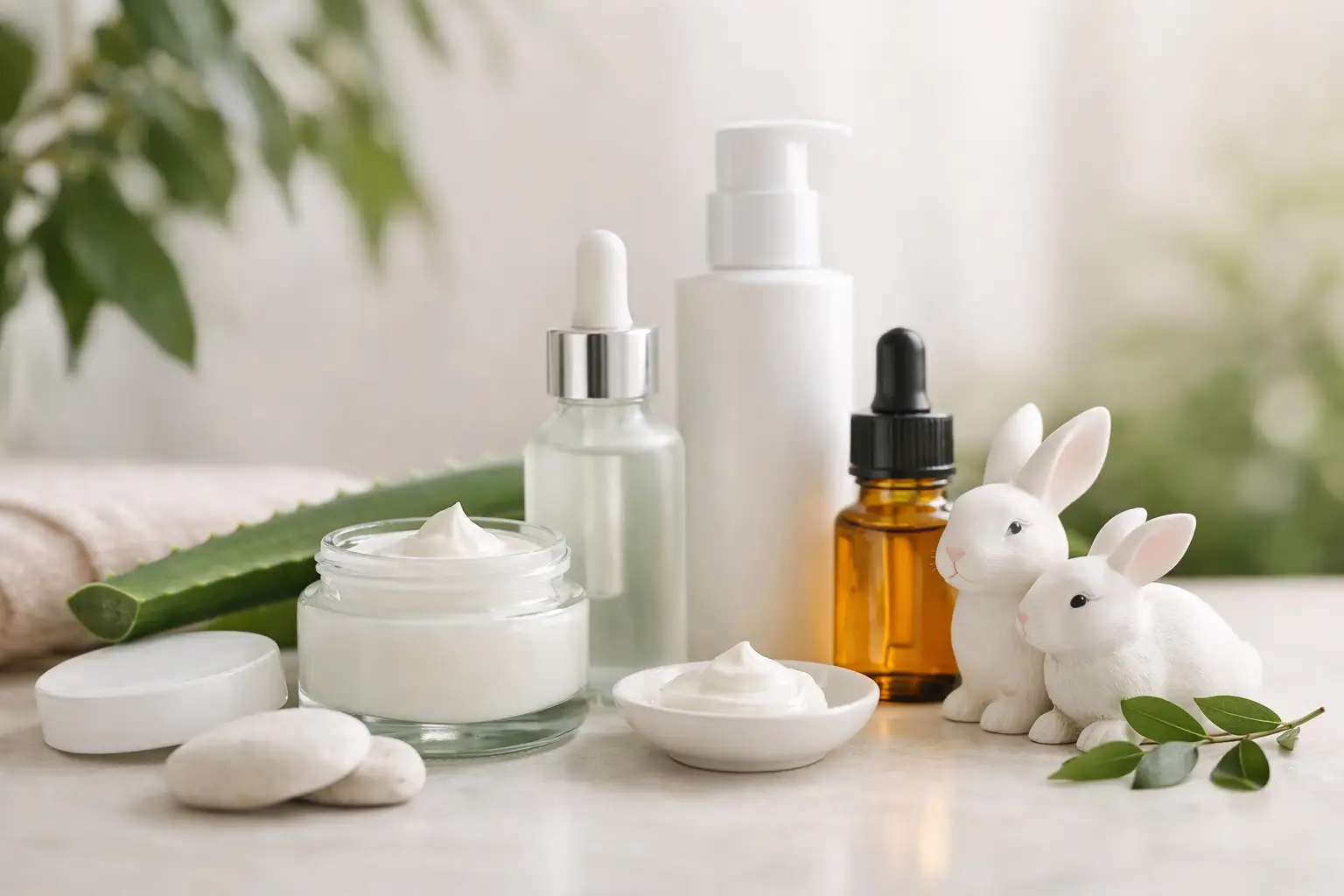
Why cruelty free skincare in the UK needs a closer look?
On paper, shopping for cruelty free skincare in the UK can seem straightforward. The UK has strong expectations around cosmetics regulation, and many brands now speak confidently about being ethical. But language in beauty marketing can blur the line between what is legally required, what is brand policy and what is genuinely meaningful.
Cruelty-free usually means that neither the finished product nor its ingredients have been tested on animals by the brand, its suppliers or third parties for cosmetic purposes. That sounds simple enough, yet shoppers are often faced with extra claims such as vegan, natural, clean or conscious. These can overlap, but they do not mean the same thing.
A vegan product contains no animal-derived ingredients, but it is not automatically cruelty-free. A natural formula may use botanicals, but that says nothing on its own about testing policy. Clean beauty can suggest a more thoughtful approach to formulation, yet it is still a broad term. If you want your routine to feel both elevated and trustworthy, it helps to read beyond the front label.
What to look for when choosing cruelty free skincare in the UK?
The strongest cruelty-free brands tend to be clear rather than vague. They explain their position in plain language and make it easy to understand how that standard fits into the rest of the formula story. If a brand speaks openly about ingredients, manufacturing and product purpose, that is often a good sign.
It is also worth paying attention to how the formula is built. Ethical skincare is most compelling when it does something tangible for the skin. For dehydrated or reactive complexions, that may mean humectants such as hyaluronic acid to draw in water, peptides to support a smoother feel, and ceramides to reinforce barrier function. For skin that is easily unsettled, soothing ingredients such as calendula or green tea can help bring a sense of calm.
This is where thoughtful product curation matters. A smaller range can sometimes say more than an endless catalogue, because it suggests the brand has focused on what skin genuinely needs rather than chasing every passing trend. Cleansing, hydration and barrier support cover a great deal of ground when formulas are well judged.
Ethics matter, but so does skin performance
There is still an old assumption that ethical beauty asks you to lower your expectations. That may once have been true in some corners of the market, where texture, performance or stability lagged behind more conventional formulas. It is much less true now.
Today, many people looking for cruelty free skincare UK options are not doing so as a symbolic gesture. They want visible results. They want skin that feels supple, looks fresher and behaves more predictably across the week. They want fewer flare-ups from over-exfoliation, fewer products gathering dust on the shelf and more confidence in the formulas they return to.
That means the best cruelty-free skincare is usually not the loudest. It does not rely on exaggerated promises or ten-step routines. It focuses on daily consistency. A cleansing oil that melts away sunscreen and make-up without leaving skin tight. A serum that delivers hydration and softness rather than stickiness. A moisturiser that cushions the skin and supports the barrier, especially when central heating, cold weather or stress have left it feeling fragile.
For many complexions, especially combination, dehydrated or sensitive skin, this quieter approach delivers more than aggressive formulas ever will.
The ingredients that make a difference
If your priority is glow with resilience rather than glow at any cost, ingredient choice deserves attention. Ceramides are especially valuable because they help support the skin barrier, which is essential for holding on to moisture and reducing that uncomfortable feeling of tightness or irritation. When the barrier is compromised, even premium skincare can struggle to perform as it should.
Hyaluronic acid remains popular for good reason. It gives skin a fresher, more hydrated look and can make fine dehydration lines appear softer. Peptides are often added to bring a smoothing, replenishing quality, which is ideal for shoppers who want skincare to feel both preventative and restorative.
Botanical ingredients also have a place, provided they are used with care. Calendula is often chosen for its soothing character, making it a welcome addition in a cleanser designed to comfort rather than disturb. Green tea brings antioxidant support and a refined sense of balance, particularly in moisturisers intended for daily use.
The key is balance. A formula can be natural-leaning, vegan and cruelty-free, but if it overwhelms the skin with fragrance or unnecessary actives, the experience may still disappoint. Elegant skincare should feel considered from first cleanse to final layer.
How to build a cruelty free routine that feels elevated?
A good routine should feel sustainable enough for real life. That does not mean it has to be basic or joyless. It means each step earns its place.
Start with a cleanser that removes the day thoroughly while respecting the skin. Oil cleansers are particularly useful if you wear SPF, make-up or live in a city where pollution can leave the skin feeling congested. The right cleansing oil leaves skin comfortable, not squeaky.
Follow with a serum that focuses on hydration and skin quality. This is often the step where lightweight yet effective ingredients can make the biggest visible difference, especially if your skin tends to swing between dullness and dehydration. A well-formulated hyaluronic acid and peptide serum can help bring back bounce without making the routine feel heavy.
Seal everything in with a moisturiser that supports the barrier. Ceramide-rich creams are especially helpful if your skin is prone to sensitivity, seasonal dryness or that worn-out feeling that comes from too many active products and too little recovery.
Used together, these kinds of formulas create something more refined than a trend-led routine. They support skin that looks calm, hydrated and luminous – the kind of glow that reads as well cared for rather than overworked.
Why UK shoppers are becoming more selective
British skincare consumers are increasingly ingredient-aware, and that is changing how cruelty-free products are judged. People are reading labels more closely, questioning overblown claims and looking for formulas that fit into a modern, intentional lifestyle. They want proof of care in every sense – ethical standards, skin compatibility and a sensorial finish that makes everyday use feel like a pleasure rather than a task.
That selectiveness is a positive thing. It pushes the market towards better standards. It also means brands have to earn trust through clarity and consistency. Beautiful packaging may catch the eye, but repeat purchase usually comes down to how the product makes the skin feel after one week, one month and one bottle finished.
For shoppers who want a conscious but results-driven approach, this is where a brand like Amivie resonates. The appeal is not only that formulas are cruelty-free, vegan and UK-made. It is that they also speak to what skin needs now – hydration, calm, barrier support and a more elevated daily ritual.
The trade-offs worth knowing
Cruelty-free skincare is not a single style of product, and it is worth being honest about that. Some shoppers prefer highly active routines with stronger acids or retinoids, while others want a gentler, skin-barrier-first approach. One is not automatically better than the other. It depends on your skin, your tolerance and how much complexity you actually want.
If your skin is reactive, a restrained routine often serves you better than a shelf full of actives. If your main concern is visible signs of ageing, you may still want targeted ingredients, but ideally balanced with hydration and barrier support. Ethics should fit into a routine that works for your face, not just your ideals.
That is the real promise of cruelty free skincare UK shoppers can feel good about. It offers a more conscious way to care for skin without giving up performance, pleasure or trust. When a formula is thoughtfully made, the experience shows up everywhere – in the texture, in the results, and in the quiet confidence of reaching for it again each morning and evening.
Choose products that feel honest, effective and comforting to use. Your routine should not ask you to pick between values and visible results when good skincare can offer both.